01 / HUNAN FOOD CULTURE
Food
is Culture.
Tracing the flavors, places, people and memories behind Hunan food.
Explore Hunan ↓
湘
HUNAN
FLAVOR
FLAVOR
01
From everyday bowls to family tables, food carries the memory of a place.
02
THE TASTE OF HUNAN
It’s not
just spicy.
Hunan food is a way of reading a place. Its flavors grow from ingredients, climate, local habits and the everyday rhythm of people.
Chili, preserved foods, rice noodles, fresh herbs and familiar cooking methods come together to create a cuisine that feels direct, warm and full of character.
03
HUNAN AT A GLANCE
& autonomous prefecture
of Chinese cuisine
spicy · fresh · rich
everyday food
04 / PLACE
Taste of
Hunan.
Different landscapes create different ingredients, habits and tastes. Explore Hunan through its regions and food memories.
04—01
A province
A province
of many tastes.
From Changsha street food to local rice noodles and preserved flavors, food changes with the places and people who make it.
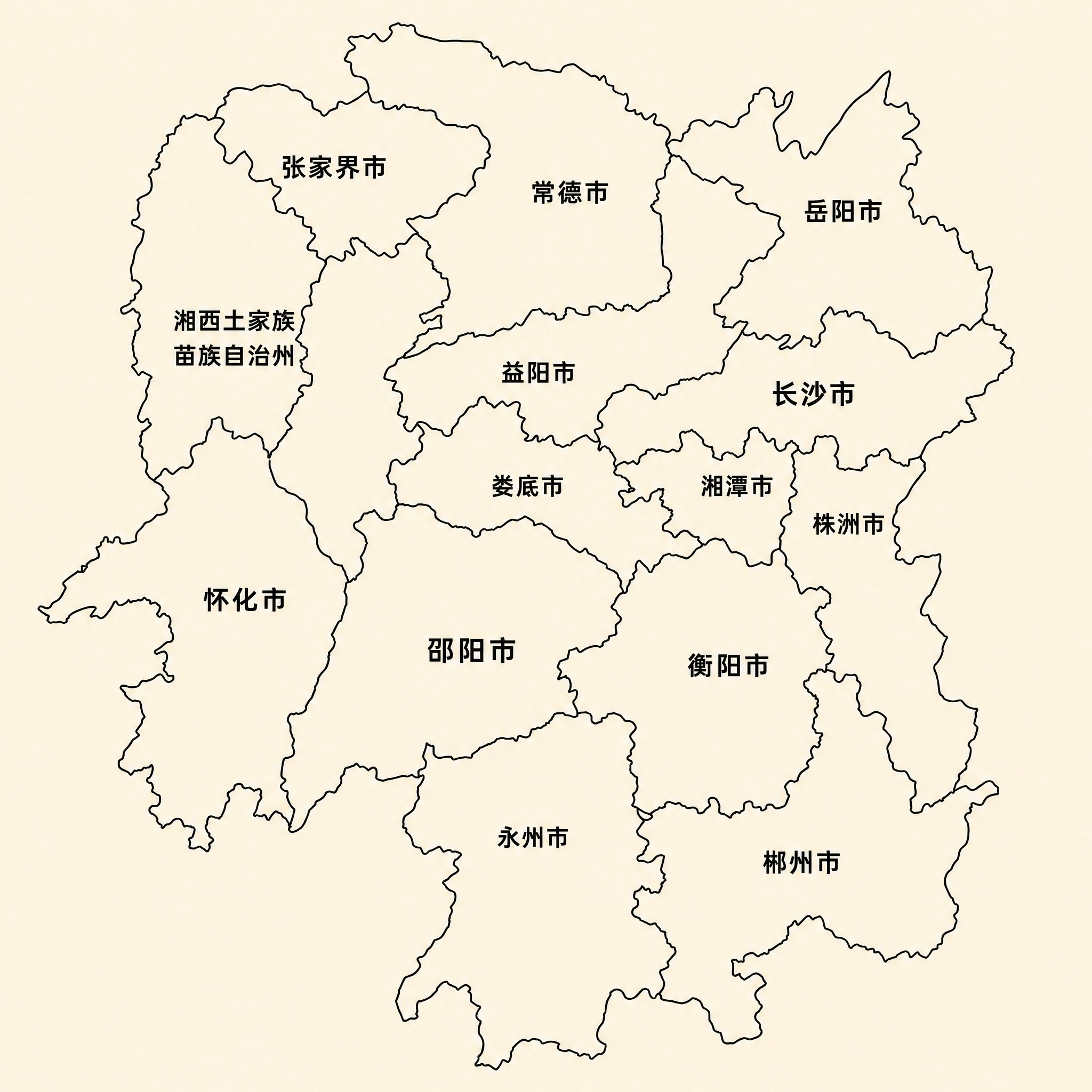
HUNAN / 湘
05 / FOOD
Hunan Flavors
Six small windows into the everyday food culture of Hunan.
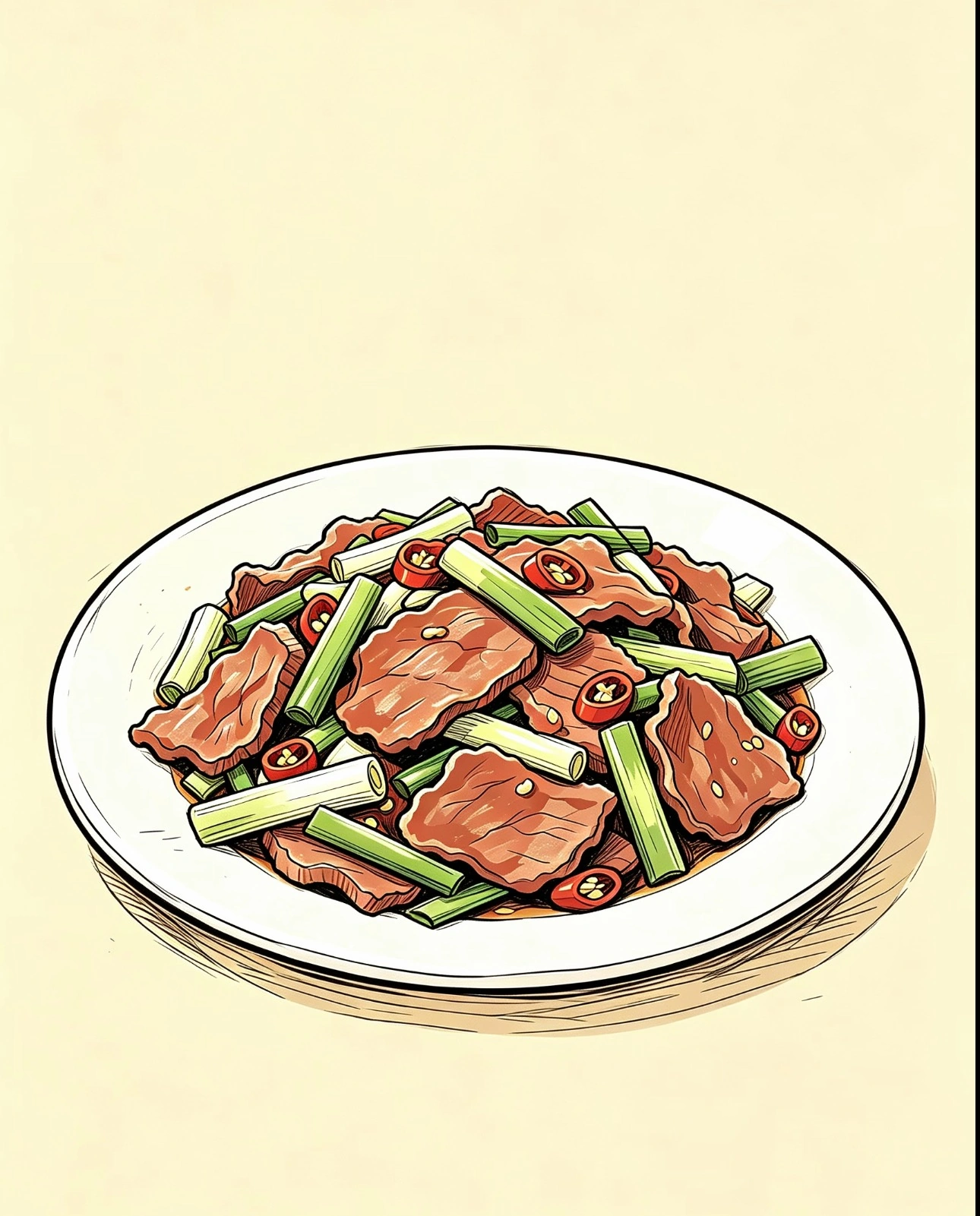
01 / SIGNATURE
Hunan Cuisine
Bold seasoning, preserved ingredients and a strong sense of home cooking.
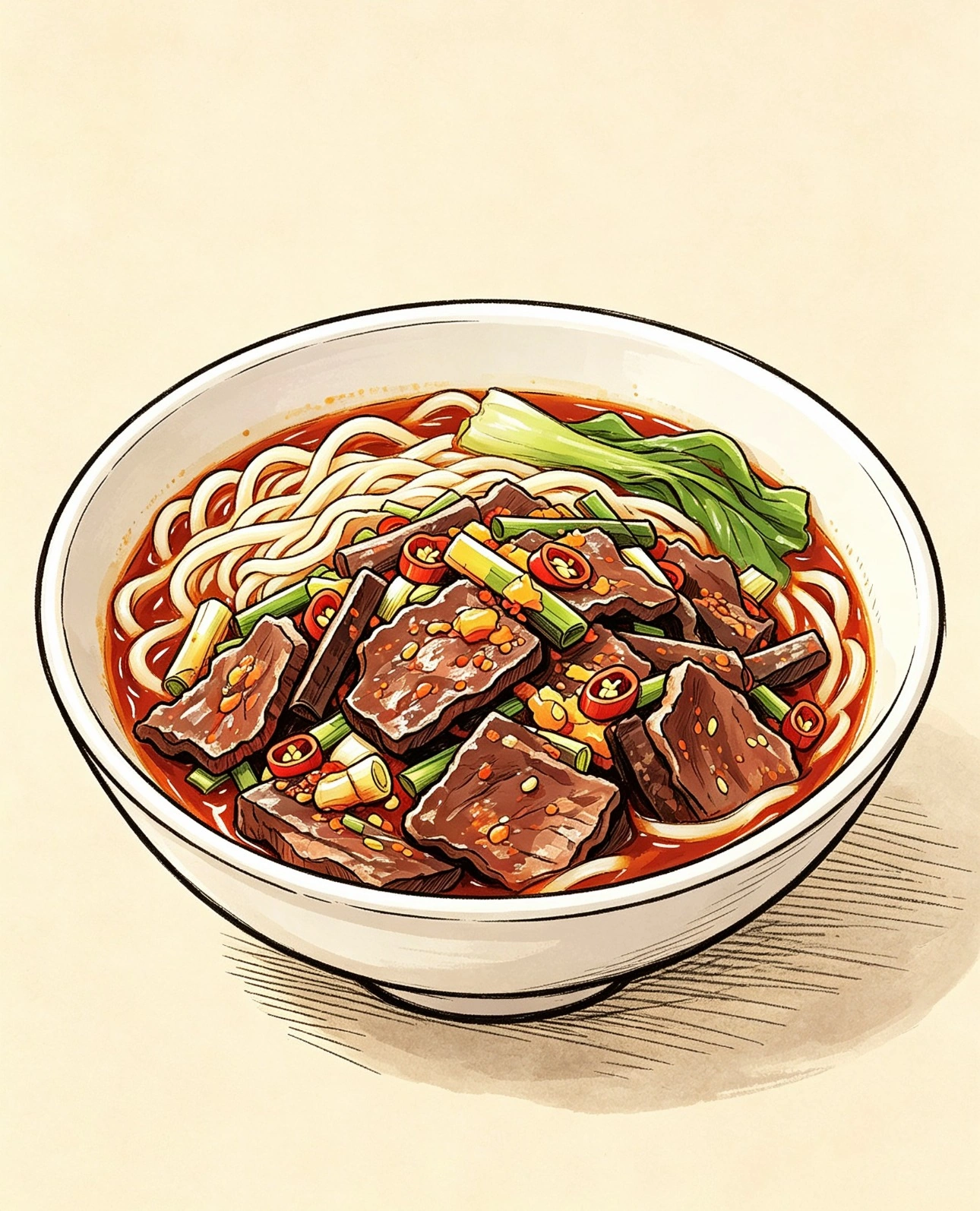
02 / EVERYDAY
Rice Noodles
A simple bowl with broth, toppings and local habits.
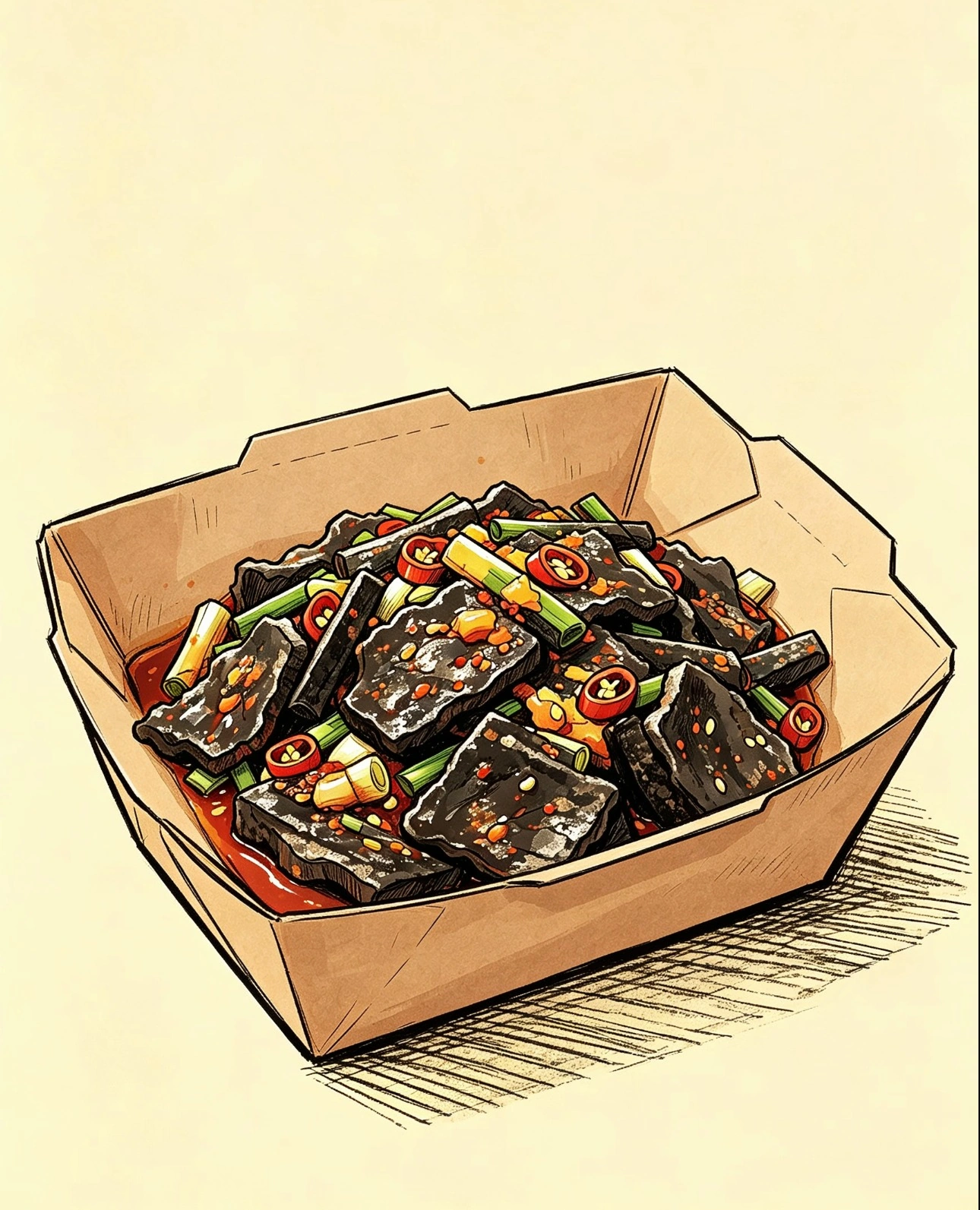
03 / STREET
Snacks
Small bites that bring street life and local flavor together.
04 / PRESERVED
Lawei
Preserved meats are closely connected with season, storage and family meals.
05 / INGREDIENT
Chili & Spice
Heat is only one part of the story; aroma and freshness matter too.
06 / TOGETHER
Shared Table
Food becomes culture when people sit down, eat and remember together.
06 / THE FLAVORS BEHIND HUNAN
What makes
the flavor?
A regional taste is never created by one ingredient alone. It comes from combinations, preparation methods and the habits people repeat over time.
FLAVOR
CHILI
辣
FRESH
鲜
SMOKED
腊
SOUR
酸
AROMA
香
07 / FROM KITCHEN TO TABLE
From raw
to shared.
Ingredients
Choose what the region provides.
Preparation
Cut, wash, preserve and season.
Cooking
Turn ingredients into a familiar taste.
Serving
Bring food to the table.
Sharing
Let a meal become a memory.
08 / FOOD & PEOPLE
Food is
people.
A recipe can be written down, but the meaning of food lives in people: in kitchens, markets, family tables and ordinary moments.
08—01
Cooking is a daily act of keeping memories alive.
08—02
Eating together turns a dish into a shared experience.
09
FOOD IS CULTURE
History
Food changes with the environment, resources and stories of a region.
Lifestyle
Daily meals show how people live, gather and organize ordinary time.
Memory
A familiar smell or taste can bring back a kitchen, a person or a season.
Identity
Local food helps a place describe itself and remain connected to its roots.
“Food carries
the memory
of a place.”
11 / FOOD JOURNAL
Stories worth
savoring.
Short stories about ingredients, dishes and everyday food culture.
01
FLAVOR / 01
Why does Hunan food taste so direct?
Look beyond the word “spicy” and notice the layers of aroma, freshness and preservation.
READ STORY →
02
EVERYDAY / 02
The quiet importance of a bowl of noodles
Everyday food can tell us more about a city than a formal feast.
READ STORY →
03
PEOPLE / 03
When a meal becomes a memory
Food connects people through repeated gestures, familiar smells and shared time.
READ STORY →12 / STAY CONNECTED